
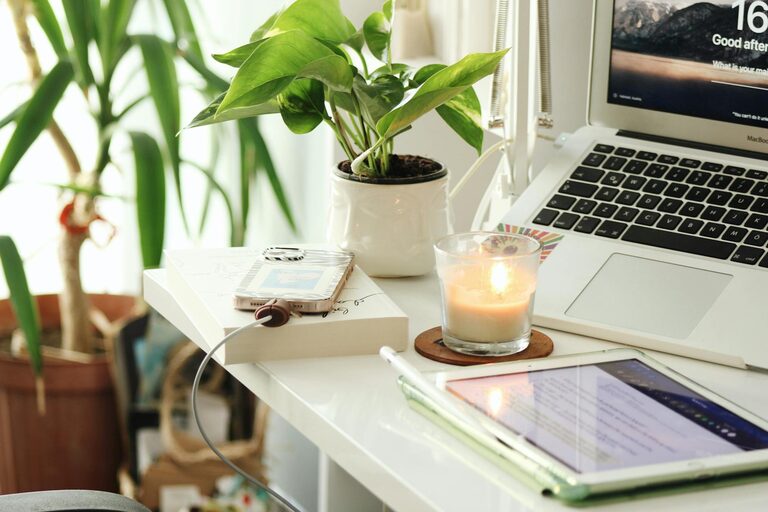
Creating a home office that is both cozy and productive can significantly enhance your work-from-home experience. Whether you have a dedicated room or just a small corner, thoughtful planning helps you set up a space where you can focus and feel comfortable throughout the day. Here’s a detailed guide with practical tips to inspire your home office setup.
1. Choose the Right Location
Selecting the right spot in your home is the first step to creating a productive workspace.
– Natural Light: Aim for a location near a window. Natural light boosts mood and alertness.
– Quiet Area: Pick a space away from noisy parts of your home, like the kitchen or living room.
– Privacy: If possible, choose a room with a door to minimize interruptions.
If your space is limited, a nook or a small corner in your bedroom or living room can work well with the right setup.
2. Invest in Comfortable Furniture
Your furniture impacts both comfort and productivity.
– Ergonomic Chair: A supportive chair with adjustable height and lumbar support prevents back pain.
– Desk Size: Choose a desk that accommodates your computer, notepad, and any other essentials without clutter.
– Standing Options: Consider a sit-stand desk or a converter to alternate between sitting and standing during the day.
Comfortable furniture encourages longer, more focused work sessions without discomfort.
3. Organize with Purpose
Clutter can be distracting. Keep your workspace tidy to maintain concentration.
– Storage Solutions: Use shelves, drawers, and filing cabinets to store documents and supplies.
– Desk Organisers: Pen holders, cable organizers, and trays keep frequently used items accessible.
– Minimalism: Keep only what you use daily on your desk to create a clean environment.
Regularly declutter your space to maintain a fresh and inviting atmosphere.
4. Personalise Your Space
A personalised office space feels welcoming and can inspire creativity.
– Decor: Add photos, artwork, or plants to make the space pleasant.
– Colour Choice: Soft, neutral colours can create a calming ambiance, while splashes of colour might stimulate energy.
– Lighting: Supplement natural light with warm desk lamps to avoid eye strain and create a cosy environment.
Personal touches help you feel more connected to your workspace.
5. Optimize Lighting
Good lighting reduces eye strain and keeps you alert.
– Task Lighting: Use a desk lamp with adjustable brightness to focus on detailed tasks.
– Ambient Lighting: Overhead lights or floor lamps provide general illumination.
– Avoid Glare: Position your monitor and lighting so you don’t get glare from windows or lights.
Aim for a balance of natural and artificial light to suit different times of day.
6. Manage Technology Efficiently
Technology is essential, but it can also be a source of distraction.
– Cable Management: Use clips, sleeves, or boxes to hide cables and keep your desk neat.
– Quality Equipment: Invest in a reliable computer, keyboard, and mouse for comfort and efficiency.
– Second Monitor: If your work requires multitasking, a second screen can increase productivity.
Keeping your tech organised helps keep your mind focused on work.
7. Consider Acoustics
Noise can break your concentration, so think about managing sound.
– Soundproofing: Use rugs, curtains, or acoustic panels to dampen noise.
– Headphones: Noise-cancelling headphones can block distractions.
– White Noise: A fan or white noise machine can mask sudden sounds.
A quieter environment supports better focus and reduces stress.
8. Encourage Breaks and Movement
A well-designed office reminds you to take breaks for your well-being.
– Break Area: If space allows, have a small spot for stretching or relaxing.
– Timer: Use apps or timers to encourage regular breaks (e.g., every 50 minutes).
– Plants: Greenery improves air quality and provides a relaxing focal point.
Movement and breaks boost both mental clarity and physical health.
9. Maintain a Routine
A productive space works best when combined with a consistent work routine.
– Set Hours: Define working hours to create boundaries between work and personal life.
– Regular Cleaning: Spend a few minutes each day tidying your workspace.
– Daily To-Do List: Keep a planner or digital task list to organise your goals.
A good routine complements your cosy workspace by keeping you organised and motivated.
—
Creating a home office that balances comfort and productivity is about thoughtful design and habits. By focusing on location, comfort, organisation, and personal touches, you can build a space that feels good and works well. Try incorporating these tips to transform your area into a comfortable, inspiring place to work every day.